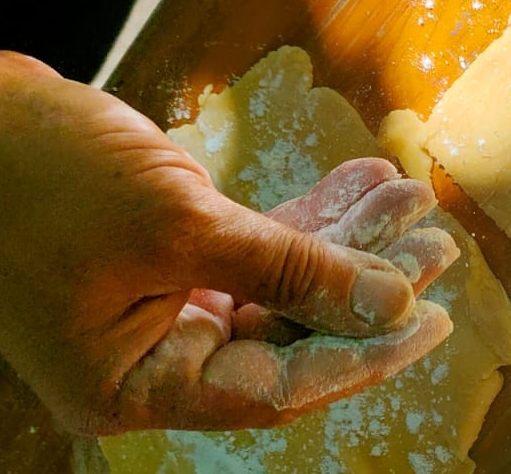
Historical Maramureș is a place of ethnic tolerance, where communities knew how to understand each other, respect each other and influence their gastronomy and culinary habits.
The ethnic and cultural diversity of Maramureș County can also be enjoyed at the table, through traditional dishes. Due to coexistence in the same environment that offers the same products, but also to the good understanding between the populations, over time, some recipes have been borrowed from one population to another, despite different traditional occupations.
Culinary experiences, especially those related to cooking, have changed, especially thanks to the ”helps” created by technology that make our work easier. The pace in which we live is much more alert, and therefore both the preparation of food and the tasting of dishes have a lower priority and the time spent is less compared to the past. The act of preparing and eating food have become almost banal, automatic gestures, but we should remember that preparing food for a meal represented, in fact, a whole set of rituals both for the body and for the soul. The Romanians, the Hungarians, the Jews, the Scythians, the Ukrainians and the other ethnic communities who lived on this territory managed to enrich each other's gastronomic culture, while also preserving their own identity.
The public is extremely interested in the recipes of traditional products and suggests, both through the volume and frequency of participation in culinary demonstrations, fairs and other forms of gastronomy celebration, a tendency to revalue food as a local or national cultural expression.
Through the two projects ”Maramureș-GastroEtnoArt” and ”Taste of Maramureș-traditional recipes from the Vișeului Valley” the first interdisciplinary, integrated research of the gastronomic culture in the historical Maramureș area and the inventory of old culinary recipes, in the context of village life, was carried out. The recipes were collected from informants from the areas targeted in the projects, aged between 50-90 years, storage of old recipes and culinary practices, recipes specific to their ethnicities, transmitted and preserved from generation to generation and transcribed in a language common to description of the recipe, keeping the name of the preparation as it is called in the village/locality from which it was collected.